
Metamorphosis began as a quiet, repetitive act: the folding of paper into the form of a butterfly. What first appeared as a simple gesture gradually revealed itself as a method for holding memory. Each fold a small negotiation between control and fragility, intention and surrender.
The work emerges from an intimate space, shaped by experiences of loss, reflection, and the passage of time. Rather than attempting to represent these conditions directly, Metamorphosis allows them to accumulate materially. Through repetition, the act of folding becomes a way of processing – an embodied rhythm through which grief, memory, and transformation are given form.
What results is not a singular object, but a field of many: thousands of individual elements, each carrying its own subtle variation, together constructing a landscape of quiet complexity.
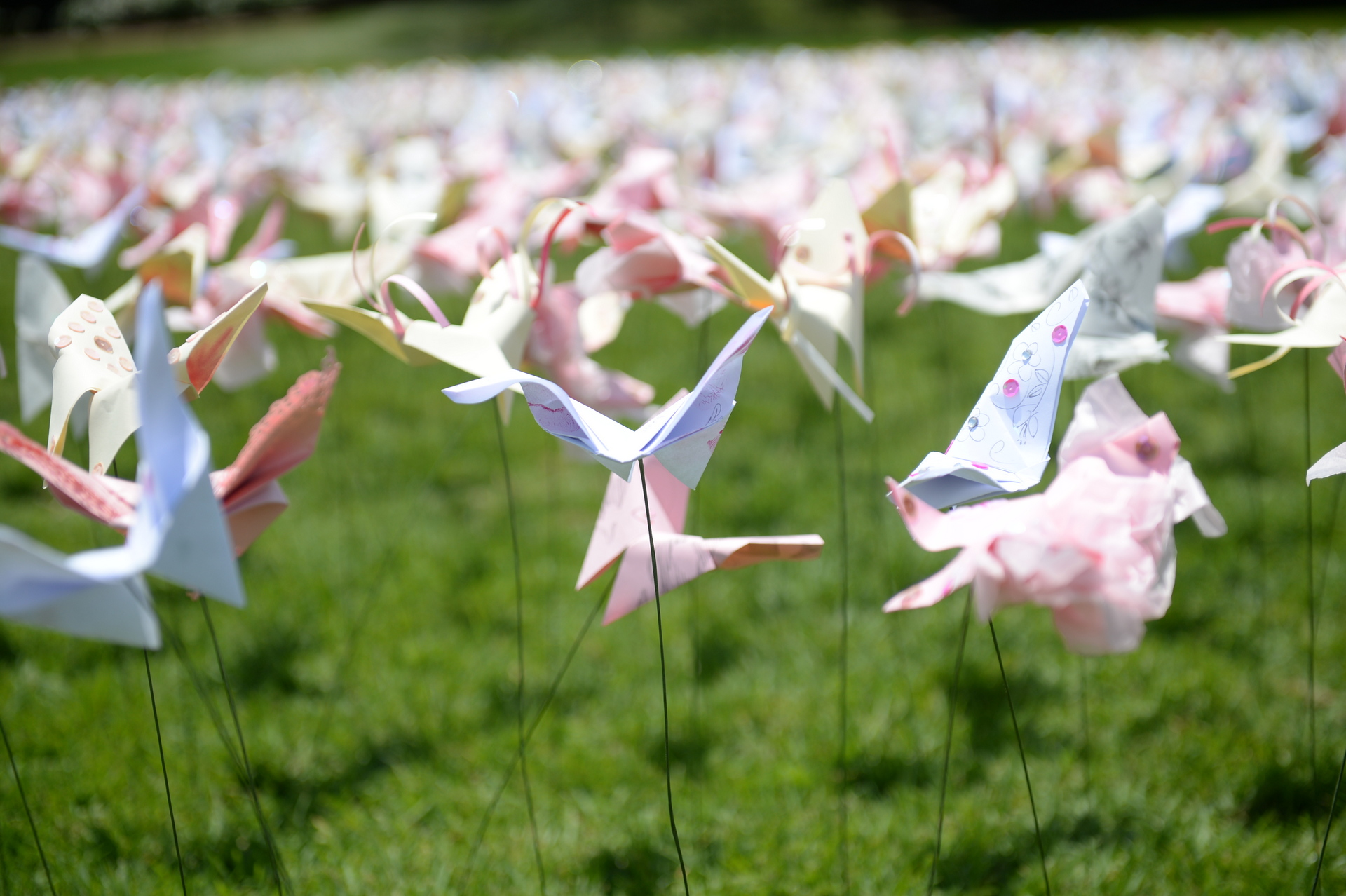
Metamorphosis installation detail

Folded paper butterfly (detail)
Folding as Method
At the core of Metamorphosis is the act of folding – not as decoration, but as a durational process. Each butterfly is produced through the same sequence of gestures, repeated over time. In this repetition, the work resists immediacy. It cannot be rushed; it must be accumulated.
Folding becomes a way of marking time. Each unit holds the trace of its making, and in their totality, these traces begin to form a temporal archive. The labour is visible not through spectacle, but through density, through the quiet insistence of multiplicity.
This process introduces subtle inconsistencies: slight shifts in pressure, alignment, and material response. These variations are not errors, but evidence. They register the human presence within the system, allowing the work to remain sensitive rather than mechanical.
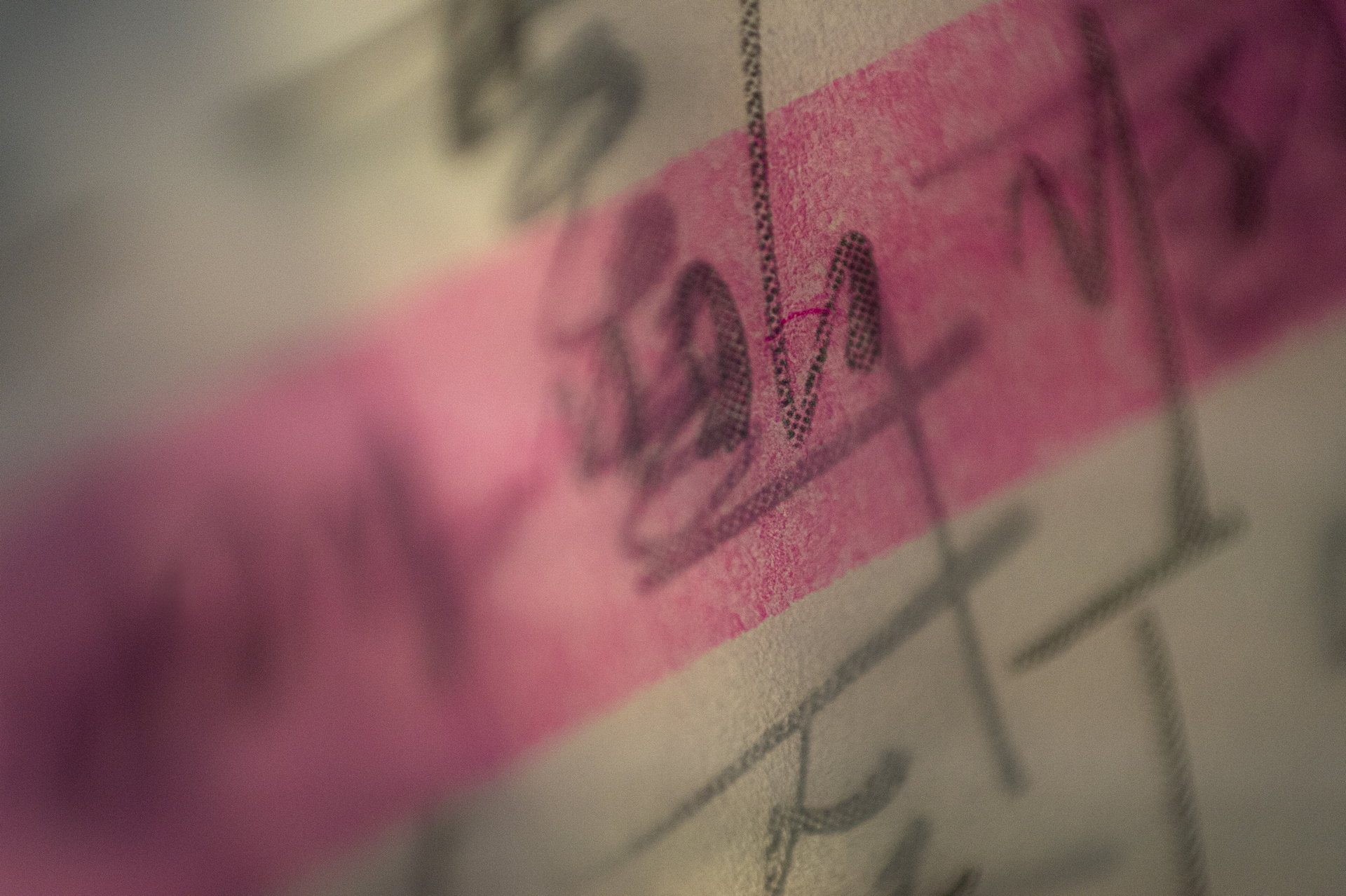
Annotated paper (material trace)
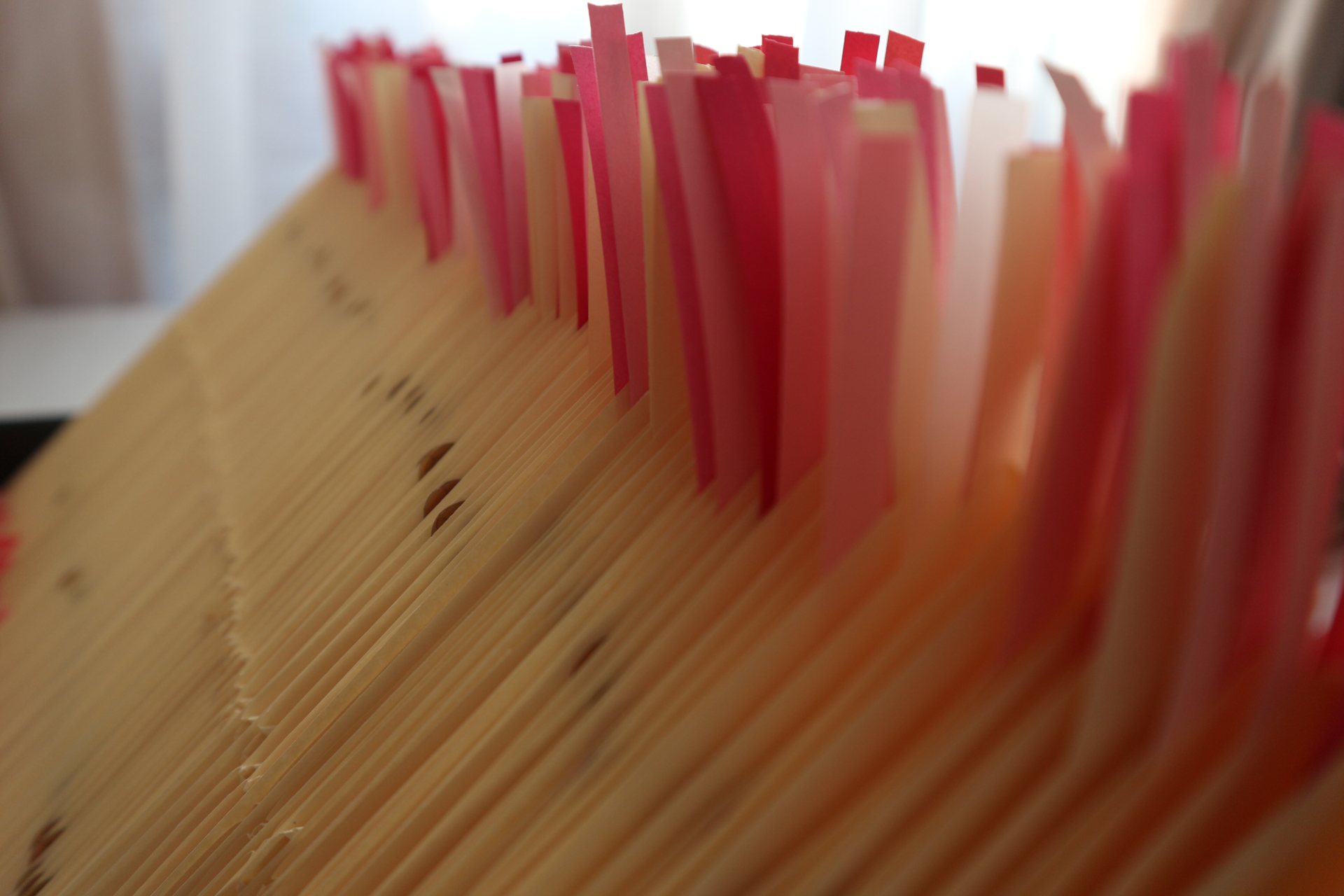
Accumulation through repetition
Installation as Field
When installed, the work expands beyond the individual unit. The butterflies are positioned in large numbers, often embedded within natural or open environments, forming expansive, low-lying fields.
This shift in scale alters the reading of the work. What begins as an intimate gesture becomes collective. The viewer is no longer encountering a single object, but navigating a terrain – one that oscillates between order and dispersal.
The field holds a tension between fragility and accumulation. Each element is delicate, yet together they assert presence. The work does not overwhelm through monumentality, but through quiet persistence.
There is no fixed hierarchy within the installation. Each butterfly is equal, contributing to a broader structure that remains open, responsive, and capable of reconfiguration.
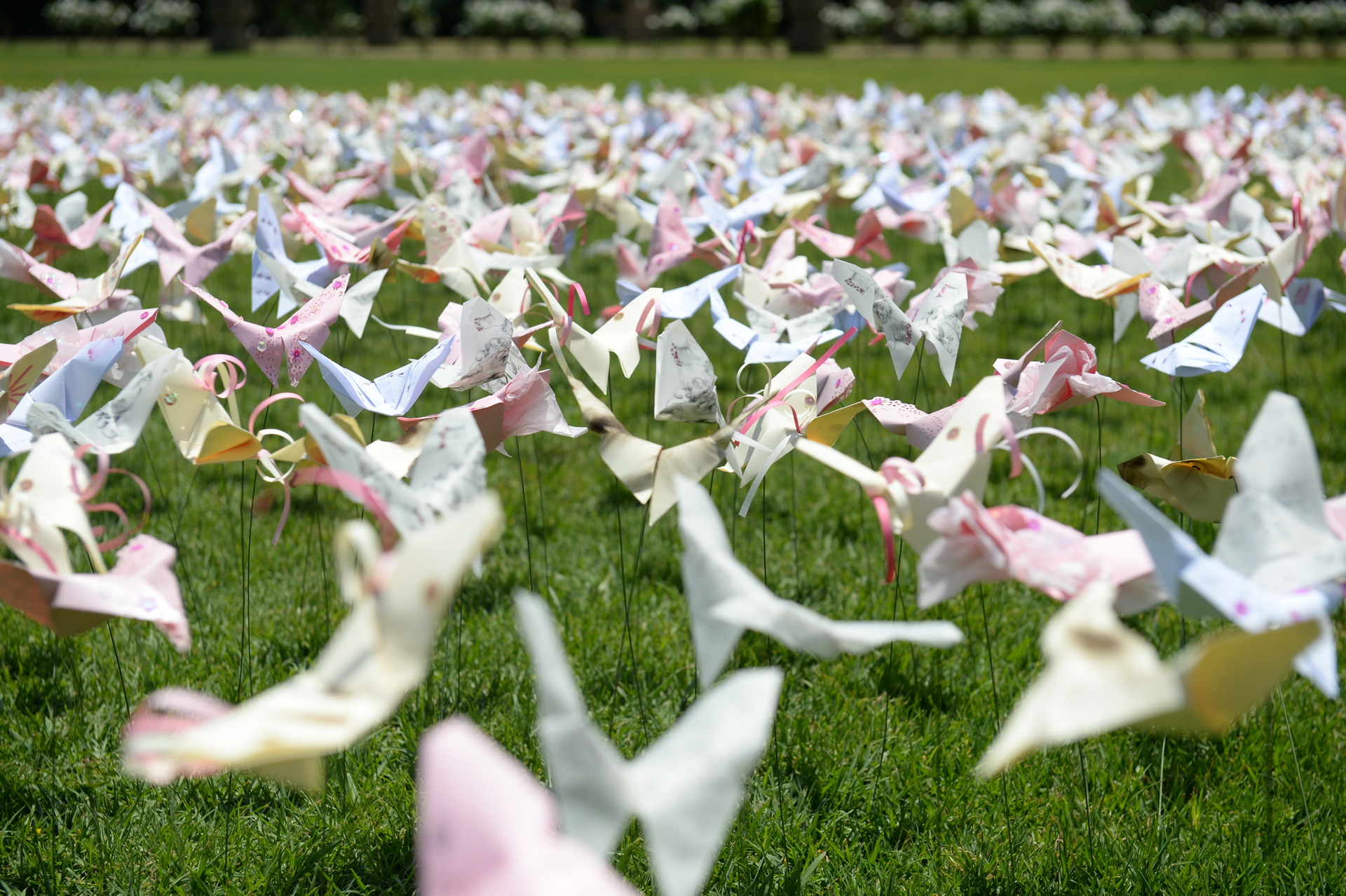
Installation view, Metamorphosis
Photography as Translation
Photography plays a parallel role within Metamorphosis, not simply as documentation, but as a secondary process of transformation.
Through framing, focus, and scale, the photographic works isolate moments within the larger installation, allowing new readings to emerge. Details that might be overlooked in the field become central; compositions shift from expansive to intimate.
In this translation, the work enters a different register. The photograph does not replicate the installation, but reinterprets it. Extending its lifespan while altering its context. Light, depth, and perspective introduce a new layer of mediation, where the material presence of the butterflies is both preserved and transformed.
The photographic works operate as both record and reconfiguration, holding the installation in suspension between presence and memory.
“But on paper, things can live forever. On paper, a butterfly never dies.”
– Jacqueline Woodson, Brown Girl Dreaming
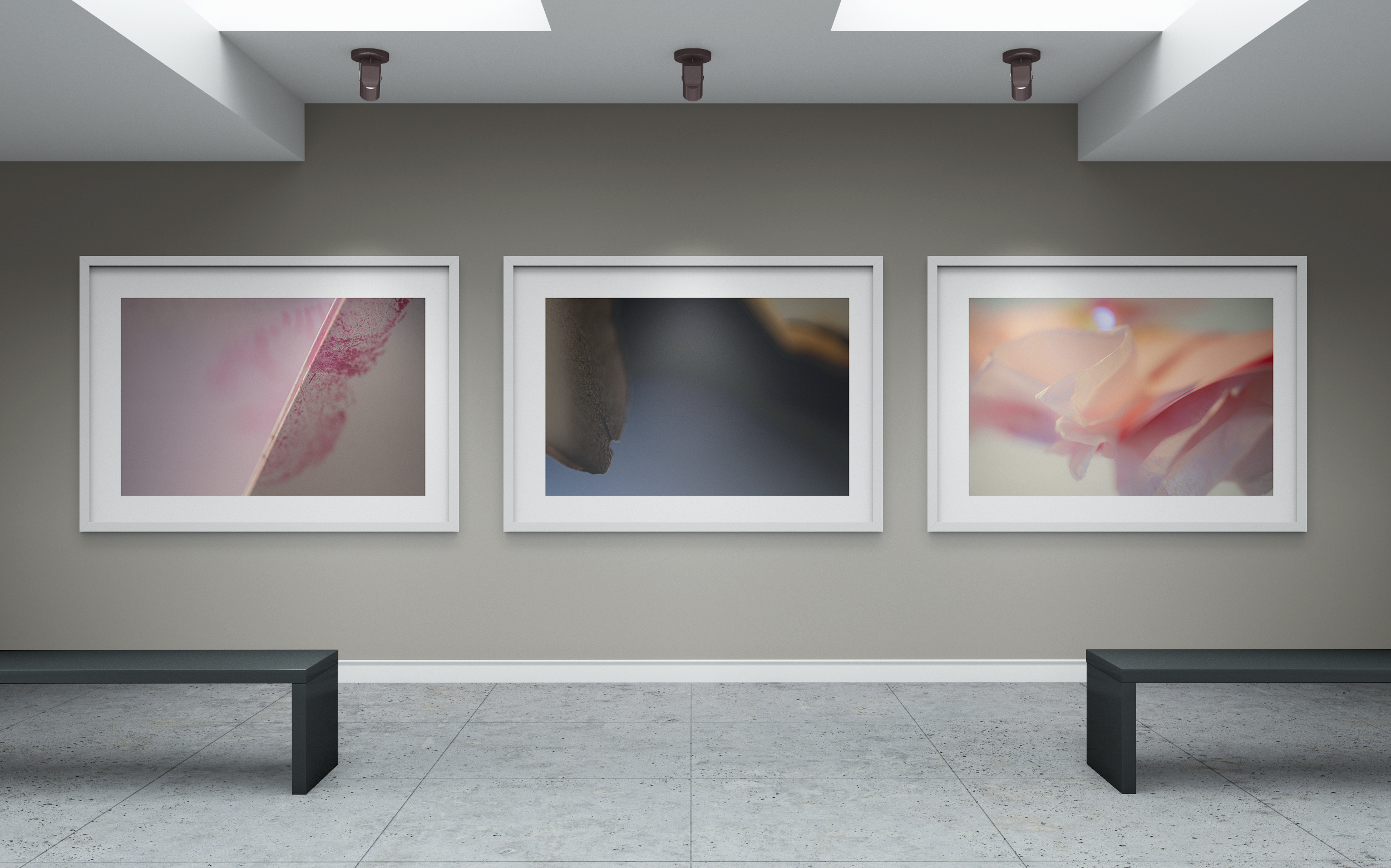
Photographic prints (framed)

Macro photographic composition
From Personal to Collective
While the work originates from a personal context, its structure allows it to move beyond the individual. The repetition of a simple form – recognisable, fragile, and symbolic – creates an entry point for broader engagement.
Viewers often encounter the work not through explanation, but through recognition. The butterfly, as a form, carries its own cultural and emotional associations. Within the field, these associations are neither fixed nor prescribed; they remain open, shaped by the viewer’s own experiences.
In this way, Metamorphosis becomes less about a singular narrative and more about a shared condition. The work holds space for reflection without directing it, allowing meaning to emerge through proximity, scale, and accumulation.
Its structure suggests a system that can extend, adapt, and reconfigure – remaining sensitive to context while maintaining its core logic.
Closing
Metamorphosis does not resolve the conditions from which it emerges. Instead, it offers a way of holding them – materially, spatially, and over time.
Through the act of folding, the work traces a movement between fragility and persistence, between the singular and the collective. Each element is slight, yet together they form something enduring.
In this accumulation, transformation is not presented as a moment of change, but as an ongoing process. One that unfolds gradually, shaped by repetition, attention, and the quiet passage of time.
The work continues to unfold across installation, photography, and publication, each extending the logic of accumulation into new forms.
Publication
The Metamorphosis catalogue documents the development of the work across installation and photographic forms.
The publication expands on the ideas presented here, situating the series within a broader exploration of memory, material, and transformation.
Further Reading
Metamorphosis – Personal Elegies
Explore the full body of work →
stephenrussellbrett.com/material-elegies/metamorphosis
Studio Note
This text forms part of an ongoing studio research archive documenting the conceptual and material development of the Material Elegies body of work.